When Home Becomes the Haunting: How Japanese Horror Poisons Everything You Hold Dear
There's a particular kind of dread that has nothing to do with monsters jumping out of shadows. It's slower. Quieter. It creeps into the parts of your life that are supposed to be off-limits — the places and people and things that exist specifically to make you feel okay. Japanese horror has been doing this for decades, and if you've ever finished watching Ju-On and felt weirdly unsettled about your own living room afterward, you already know exactly what we're talking about.
This isn't accidental. It's architecture.
The Safe Space Isn't Safe
American horror tends to operate on geography. There's the haunted house, the cursed cabin in the woods, the basement you definitely shouldn't go into. The implicit promise is that if you just leave — if you get out of the danger zone — you survive. The threat has an address.
Japanese horror rips that logic apart at the seams.
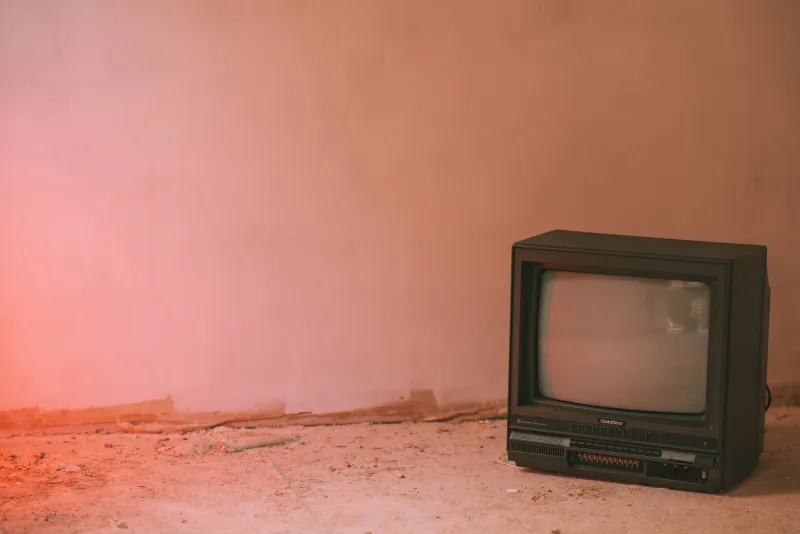
In Ringu, the terror doesn't live in some remote location. It lives inside a videotape that people watch in their living rooms, on family TVs, in the same spot where they eat takeout and argue about what to watch next. In Ju-On, the curse doesn't stay in the Saeki house. It follows. It spreads. The very concept of a "safe place" gets quietly dismantled over the course of the film until nowhere feels exempt.
That's the core of the strategy: Japanese horror identifies what you've mentally labeled as yours — your home, your routine, your people — and then systematically makes you doubt all of it.
Childhood Objects and the Betrayal of Innocence
Few things in horror land harder than a corrupted childhood object. A stuffed animal with wrong eyes. A music box that plays at the wrong time. A doll that doesn't quite stay where you left it.
Japanese horror leans into this with unusual commitment. Think about Annabelle versus something like the spirit dolls and possessed artifacts that appear throughout Japanese folklore-influenced cinema. American horror tends to treat the creepy object as the villain — it's that doll that's evil, and once you destroy it or lock it in a museum, the problem is solved. The object is externalized.
Japanese horror is more insidious. The object becomes a reminder that the contamination was never really about the thing itself. It's about what the thing represents: innocence, safety, the uncomplicated joy of being a kid. When that gets corrupted, there's no destroying your way out of the feeling. You can't burn down the memory.
This is why scenes involving children in Japanese horror — and there are a lot of them — carry such specific weight. Toshio in Ju-On isn't just a creepy ghost kid. He's the concept of childhood turned inside out. Every instinct you have to protect a child, to comfort one, to respond to one — all of it becomes a vulnerability the film exploits without mercy.
The Family Unit as a Vector
Here's where it gets genuinely uncomfortable: Japanese horror frequently uses the family itself as the delivery mechanism for dread.
In a lot of Western horror, the family is the thing you're trying to save. The threat comes from outside, and the story is about whether love and togetherness can push it back. It's fundamentally optimistic about the domestic unit, even when it's putting that unit through hell.
Japanese horror isn't so sure the family deserves that optimism.
The backstory of Ju-On is a family destroyed by jealousy and violence — and then that destruction becomes the curse that spreads outward to everyone else. The family isn't the solution. The family is the origin of the horror. Similarly, Ringu filters its supernatural threat through the lens of motherhood, isolation, and a child who was failed by the adults around her. The horror grows in the spaces where love should have been.
For American audiences raised on the idea that home is where you're safe and family is what saves you, this particular inversion hits differently. It's not just scary. It's a quiet, sustained argument that the things we build our sense of security around are exactly where the cracks form.
Why Western Horror Can't Quite Copy This
Hollywood has tried. Oh, it has tried. The remakes of Ringu and Ju-On weren't bad films, exactly, but they pulled their punches in ways that reveal a fundamental discomfort with fully committing to this approach.
American genre filmmaking tends to want a resolution. A reason. A way out. Even when the ending is dark, there's usually been a logic established that lets the audience file the experience away cleanly. The threat had rules. You broke the rules. You paid the price. Lesson learned.
Japanese horror resists that filing system. The contamination doesn't follow rules you could have known in advance. It doesn't care whether you deserve it. It doesn't spare the innocent or the good-hearted. It spreads because that's what it does — the same way grief spreads, or trauma spreads, or the slow realization that something you loved has changed beyond recognition spreads.
That's not comfortable for a market that generally wants its horror to resolve into something manageable. And so the remakes sand down the edges, add explanations, give the protagonist a fighting chance that the original never promised. What's left is still scary, sometimes. But it's not violating in the same way.
The Lingering Contamination
What makes Japanese horror's approach so effective — and so hard to shake — is that it doesn't just scare you during the runtime. It follows you home in your own head.
You finish Ju-On and your apartment feels different. Not because you think there's a ghost in it, exactly, but because the film has done something subtle to the way familiar spaces register emotionally. The lighting in your hallway. The sound your house makes at 2 a.m. The way a phone ringing at an unexpected hour now carries a faint edge it didn't have before.
That's the contamination working. It's not in the house. It's in you — in the comfort you used to take for granted, now very slightly rewritten.
Japanese horror understands something that a lot of Western genre filmmaking doesn't fully reckon with: the most effective terror isn't what it does to characters on screen. It's what it does to the audience's relationship with their own ordinary life afterward. When the credits roll and you're still feeling it, that's not a side effect. That's the whole point.